Fiber (What It Is, Why It's Important)
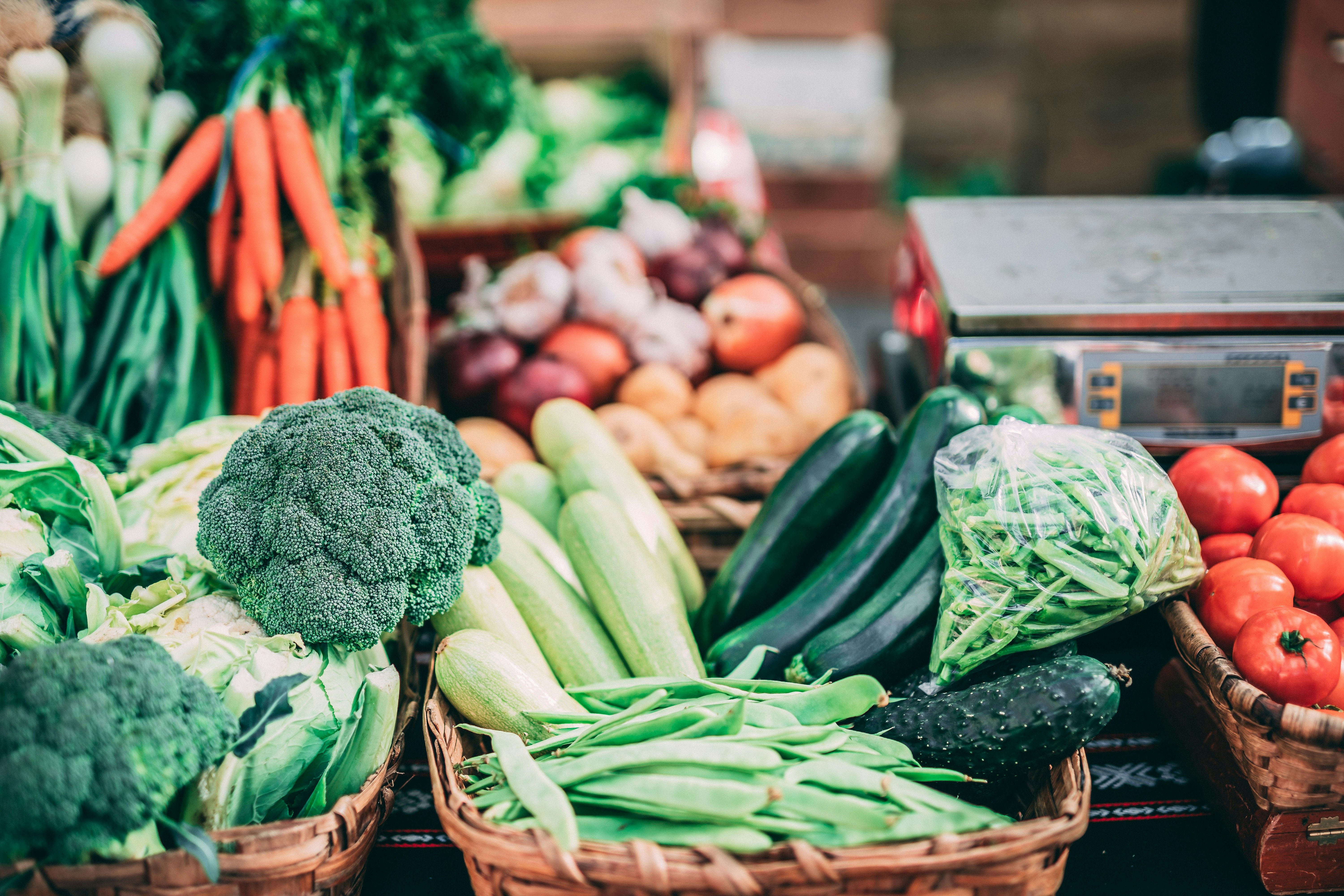
Let’s be honest: fiber is not exactly the most glamorous nutrition topic. But have you noticed how fiber is now being added to several processed foods (similar to the protein-in-everything craze)? I'm happy that more people are actually talking about it and recognizing its importance to our overall health. If you've heard me talk about nutrition before, you're aware that I consider fiber to be my favorite "f" word (at least in the top two, anyway 😆). Let's dive into what it is, and why we all should be eating more of it.
Fiber deserves a lot more attention than it's had over the years.
Because fiber is not just about “keeping things moving,” although it does help with that. It plays a role in blood sugar balance, heart health, inflammation, immune function, hormone regulation, and even brain health. And despite all of that, most Americans are still not getting nearly enough.
In fact, fewer than 5% of adults meet the minimum recommended daily intake for fiber. For children, it drops to around 1 in 100. That means fiber deficiency is far more common than many vitamin deficiencies we hear about regularly.
It does makes sense, since most modern convenience foods are heavily processed and stripped of the very parts of plants where fiber naturally lives, and the majority of Americans struggle to get very many fiber-rich foods like fruits, veggies, and whole grains into their diets.
So What Is Fiber, Exactly?
Fiber is a type of carbohydrate that the human body cannot fully break down with digestive enzymes. That's not a problem, it's actually part of what makes fiber so beneficial. Instead of being rapidly absorbed like refined carbohydrates, fiber moves through the digestive tract more slowly and interacts with the body in several ways along the journey.
There are two main types:
Soluble Fiber: This type dissolves in water and forms a gel-like substance in the digestive tract. It helps slow digestion, which can support steadier blood sugar levels and cholesterol reduction. You’ll find soluble fiber in foods like:
- Oatmeal
- Beans and lentils
- Nuts
- Apples
- Blueberries
Insoluble Fiber: This type does not dissolve in water. Instead, it adds bulk to stool and helps food move more efficiently through the digestive tract. Good sources include:
- Whole wheat
- Brown rice
- Legumes
- Carrots
- Cucumbers
- Tomatoes
Most plant foods contain a mixture of both types, which is one reason eating a variety of whole plant foods tends to work beautifully for overall health.
Resistant Starch: This is technically not a type of fiber, but it is also a carbohydrate that escapes digestion and offers several of the same benefits. It is present along with fiber in foods like beans, oats, whole grains, and unripe bananas. And, you can actually convert starch in potatoes, rice, and pasta into resistant starch by cooking, then cooling them, which effectively reduces the amount of digestible starch in these foods! Reheating will not convert the resistant starch back into digestible starch.
How Much Fiber Do We Need?
General recommendations are roughly:
- Children: about 20 grams daily
- Women: about 25 grams daily
- Men: about 35 grams daily
These are just minimum recommendations. And the average American intake? Around 15 grams per day.
Why Fiber Matters Far Beyond Digestion
Fiber Helps You Stay Full Longer: Fiber slows digestion and increases satiety, meaning you may feel satisfied longer after meals. Instead of getting hungry again shortly after eating, meals tend to feel steadier and more sustaining. That is one reason meals built around beans, lentils, oats, potatoes, or whole grains often feel surprisingly satisfying.
Fiber Supports Healthy Blood Sugar: Because fiber slows the digestion of sugars and starches, it can help reduce rapid blood sugar spikes after eating. This matters not only for diabetes prevention and management, but also for energy levels throughout the day. Many people find they experience fewer energy crashes when meals contain more fiber-rich foods.
Fiber Helps Remove Excess Cholesterol and Waste: Certain fibers bind to cholesterol and help carry it out of the body. Fiber also assists with removing waste products, toxins, and excess hormones like estrogen. Again, this is not flashy wellness-marketing language. This is one of the ordinary, behind-the-scenes jobs fiber quietly performs every day.
The Gut Microbiome Connection: Now we get to one of my favorite parts of the fiber conversation! Fiber feeds the beneficial bacteria in the gut microbiome. In other words, some of the healthiest foods you can eat are not only feeding you, they are feeding the trillions of microbes living inside you, and those microbes influence far more than digestion.
Research continues to show connections between the gut microbiome and:
- Immune function
- Inflammation
- Mood and mental health
- Metabolism
- Integrity of the gut lining
- Nervous system signaling through the gut-brain axis
When gut bacteria ferment fiber, they produce compounds called short-chain fatty acids. These compounds help:
- Reduce inflammation
- Support colon health
- Improve insulin sensitivity
- Lower cholesterol production
- Provide energy for cells in the colon
One fascinating area of research even suggests these compounds may help inhibit colon tumor growth. That's a lot of work from something as humble as beans and oats!
Fiber and Disease Prevention: Higher fiber intake has been associated with lower risk of several chronic diseases, including:
- Heart disease
- Type 2 diabetes
- High blood pressure
- Colorectal cancer
- Breast cancer
One statistic I find incredibly powerful is this: every additional 10 grams of fiber consumed daily is associated with about a 10% reduction in colorectal cancer risk and about a 5% reduction in breast cancer risk.
Not perfection, detox teas, or expensive supplements. Just more fiber-rich foods consistently over time.
Easy Ways to Add More Fiber Without Overcomplicating Things
You do not need to overhaul your entire life overnight to improve your fiber intake. In fact, I usually recommend the opposite: small, gradual, sustainable additions tend to work better than dramatic changes that feel exhausting after three days (along with the "uncomfortable" side effects of increasing fiber intake too quickly; more on that below).
Some high-fiber foods to consider:
Very High Fiber Foods (10+ grams per serving)
- 1 cup beans or lentils
- 1 avocado
- 1/2 cup bran cereal
High Fiber Foods (5 to 9 grams per serving)
- 1 cup raspberries or blackberries
- 1 pear
- 1 cup sweet potatoes or regular potatoes
- 1 cup cooked whole grains like barley, bulgur, and quinoa
- 1/2 cup dried fruit
- 1 cup fresh coconut
You might find it easiest to simply ask, “Where can I add one more plant food today?” Maybe that means berries with breakfast. Beans added to soup. Swapping white rice for brown rice. Or keeping roasted potatoes and fruit available for easy meals when life feels busy (which, let’s be honest, is often).
A Gentle Reminder About Increasing Fiber
If your current intake is fairly low, increasing fiber too quickly can cause bloating or discomfort. I recommend increasing gradually and drinking plenty of water along the way. Your gut microbiome often needs time to adapt, especially if fiber-rich foods have been limited for a while.
And remember: progress counts. You do not have to eat perfectly to benefit from more fiber! Even modest increases appear to support long-term health in meaningful ways.
The Bottom Line
Fiber may not be trendy, but it is one of the most evidence-supported components of a healthy dietary pattern. It supports digestion, blood sugar balance, heart health, immune function, and the gut microbiome, while helping reduce the risk of several chronic diseases. Not bad for something found in inexpensive foods like oatmeal, lentils, potatoes, berries, and beans.
And perhaps that is part of the beauty of it. Some of the most powerful health-supporting habits are also some of the simplest.
So, I’d love to hear from you: what is your favorite high-fiber food lately?
References & Additional Reading
Harvard T.H. Chan School of Public Health: The Nutrition Source: Fiber
Academy of Nutrition & Dietetics: Dietary Fiber
Academy of Nutrition & Dietetics: Easy Ways to Boost Fiber in Your Daily Diet